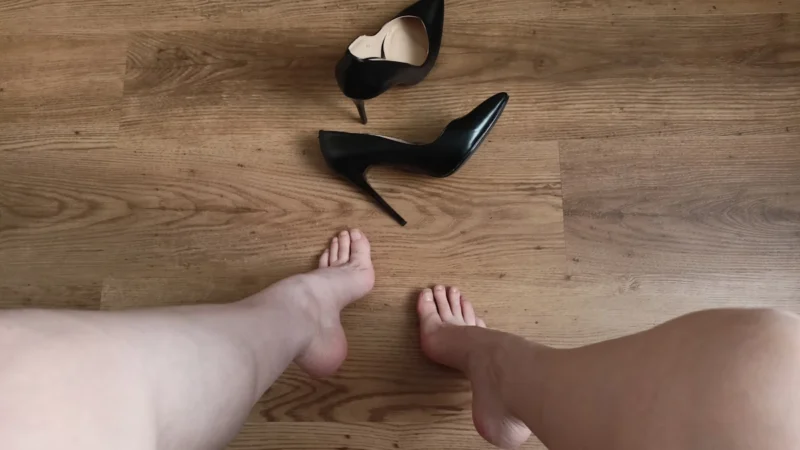
What Is It?
Foot fetishism, clinically known as podophilia, is a specific sexual interest where the primary source of arousal is the human foot, toes, soles, or ankles. It is categorized as a partialism, meaning the focus is placed on a specific body part rather than the whole person. It is not merely a preference but a psychological mechanism where the foot becomes a powerful symbol of attraction, dominance, or sensory stimulation, often detached from standard genital sexuality.
Psychology: Why People Are Attracted
The fascination with feet is complex and stems from a combination of neurological wiring and psychological symbolism. It is rarely a random choice; instead, it follows specific internal logic.
- The Somatosensory Cortex: According to neuroscientist V.S. Ramachandran, the area of the brain that processes sensations from the feet is located directly next to the area responsible for the genitals. In some individuals, “cross-wiring” may occur, causing the brain to interpret foot stimulation as sexual data.
- Symbolism of Submission: Psychologically, the feet represent the lowest part of the body. For those with submissive tendencies, interacting with feet symbolizes total surrender and lowering oneself beneath the partner. It is the ultimate physical manifestation of humility.
- Sensory Intensity: Feet offer a high concentration of sensory inputs that other body parts do not. This includes a unique shape, texture, and olfactory signature (scent), which act as potent pheromonal triggers for the fetishist.
In Practice: How It Manifests
The expression of this fetish varies significantly depending on the individual’s specific triggers. It is a spectrum of behaviors ranging from passive admiration to active physical interaction.
- Visual Appreciation: Deriving pleasure from observing the shape, arch, and movement of the foot, often involving specific poses (pointing, flexing).
- Worship and Massage: Active service involving massaging, kissing, licking, or sucking the toes and soles. This acts as a ritual of devotion.
- Trampling: A practice where one partner walks or stands on the other. This combines the tactile sensation of weight with the psychological thrill of being physically dominated.
- Shoe and Hosiery Fetishism: The focus often extends to objects associated with feet, such as high heels, nylon stockings, or socks. Here, the object acts as an extension of the foot itself.
Origins: Historical & Cultural Context
Podophilia is not a modern invention created by the internet; it is deeply rooted in human culture and history. Throughout the centuries, the foot has been a symbol of status, modesty, and hidden eroticism.
In Imperial China, the practice of foot binding (creation of the “lotus foot”) was a brutal but culturally significant method of creating a highly sexualized aesthetic of small feet, reserved for the elite. In Western culture, particularly during the Victorian era, the strict concealment of the female body meant that a glimpse of an ankle was considered scandalous and highly erotic. Culturally, the story of Cinderella places the foot and the shoe at the center of romantic destiny, reinforcing the symbolic importance of the perfect fit.
Myths & Facts: Debunking Misconceptions
There are numerous misunderstandings surrounding this fetish, often fueled by mainstream ridicule rather than factual analysis.
Is having a foot fetish a sign of a disorder?
Many people believe it is a mental illness or a sign of deviance, but it is the most common non-genital sexual interest in the world. Unless it causes distress or non-consensual harm, psychology classifies it as a harmless variation of human sexuality, not a disorder.
Do foot fetishists like dirty feet?
There is a stereotype that podophilia implies a love for poor hygiene. While a minority enjoys strong odors (olfactophilia) or dirty feet, the vast majority of fetishists appreciate well-groomed, clean, and pedicured feet. The aesthetic of beauty and care is usually the primary trigger.
Safety & Consent
As with any sexual dynamic, the foundation of a healthy interaction is conscious agreement and precise boundaries.
- Hygiene Protocols: Standard hygiene is essential to prevent bacterial or fungal infections, especially before oral interaction. Unless the partners have explicitly negotiated a scenario involving natural odors or a lack of cleanliness, both parties are expected to ensure the feet are washed and groomed.
- Physical Limits in Trampling: If the practice involves weight (trampling), partners must communicate about pressure points. The chest and neck are vulnerable areas; weight should be distributed carefully to avoid injury.
- Explicit Consent: Because this fetish can involve objects (shoes) or specific acts, consent must be established beforehand. One must never assume that a partner is comfortable with their feet being the focus of sexual attention without prior discussion.
- Public Boundaries: Visibility does not equate to consent. The fact that feet are visible in public spaces (e.g., in open sandals) does not authorize strangers to comment on them or take photographs. Such actions are a violation of privacy and constitute harassment.