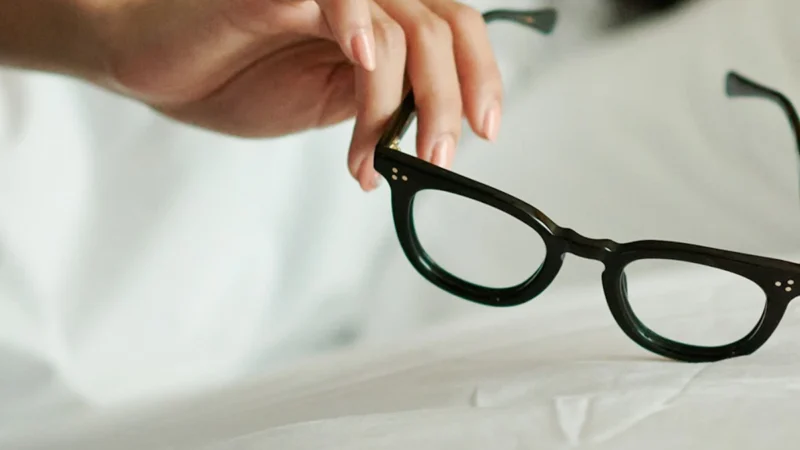
What Is It?
Glasses fetishism is a specific sexual attraction to individuals wearing prescription eyewear. It is not merely an appreciation of an accessory, but a psychological mechanism where the object transforms the wearer’s persona, signaling specific traits such as intelligence, authority, or hidden vulnerability. In this dynamic, the medical necessity of corrective lenses is repurposed into a potent erotic symbol that alters the perceived attractiveness of the partner.
Psychology: Why People Are Attracted
The appeal of eyewear is rarely about the frame itself; it is about what the glasses represent within the psychological theater of attraction. The fascination usually stems from three distinct cognitive associations:
- Intellectual Superiority and Competence: Glasses are universally coded as a sign of education and intelligence. For many, there is an intense attraction to the sapio-sexual element—the idea of interacting with a mind that is sharp, analytical, and perhaps professionally successful.
- The Strict Authority Figure: Culturally, glasses are often associated with teachers, librarians, or strict secretaries. This taps into a desire for discipline and control, where the glasses symbolize a barrier between the professional persona and the sexual being.
- Vulnerability and Dependence: Conversely, removing glasses can render a person visually impaired. This creates a dynamic of physical vulnerability, where the wearer is exposed and dependent on the partner, heightening the sense of intimacy and trust during the exchange.
In Practice: How It Manifests
The expression of this fetish varies from passive visual appreciation to active physical interaction involving the eyewear. Common manifestations include:
- The “Clark Kent” Effect: A preference for partners who look modest or professional with glasses on, but reveal a wilder sexual nature once the context changes, highlighting the contrast between public and private personas.
- Sensory Play: Activities involving the fogging of lenses with breath, kissing through the obstruction of the frame, or the specific sound of glasses tapping against another surface.
- Tactile Interaction: Touching or adjusting the partner’s glasses as a form of flirtation or control. In more intense scenarios, this may involve leaving bodily fluids on the lenses to symbolically “blind” the wearer or mark territory.
- Roleplay Scenarios: Engaging in classic archetypes such as the “Naughty Librarian,” “Strict Teacher,” or “Corporate Boss,” where the glasses are a mandatory prop to establish the power dynamic.
Origins: Historical & Cultural Context
Historically, spectacles were viewed as a sign of physical weakness or old age, rarely associated with libido. However, the cultural perception shifted significantly in the mid-20th century. Hollywood played a role, moving away from the trope that “men don’t make passes at girls who wear glasses.”
In the late 20th and early 21st centuries, the rise of Japanese media (anime and manga) solidified the concept of meganekko (girls with glasses) and megane-danshi (boys with glasses) as distinct, desirable character tropes. Simultaneously, the fashion industry rebranded eyewear from a medical crutch to a luxury accessory. Today, glasses are inextricably linked to the “geek chic” aesthetic, validating intelligence as a sexual currency in the modern era.
Myths & Facts: Debunking Misconceptions
Does liking glasses mean you have a vision fetish?
While poor vision can play a role in power exchange (vulnerability), the fetish is usually focused on the aesthetic and symbolic value of the frames framing the face, rather than the disability itself.
Are people with glasses always submissive?
Glasses don’t have to indicate a shy, nerdy, or submissive personality that needs protection. They are neutral amplifiers. They can signify a submissive “nerd,” but they are equally used to signal a cold, calculating Domina or an authoritative boss. The glasses enhance the wearer’s dominant gaze just as often as they signal shyness.
Is it just about the object?
It is almost exclusively a contextual fetish. The arousal comes from how the glasses change the human face and the perceived personality of the wearer. The object alone lacks the necessary psychological component.
Safety & Consent
While seemingly harmless, integrating eyewear into physical intimacy requires adherence to safety protocols and mutual respect.
- Financial Respect: Prescription glasses are expensive medical devices, often costing hundreds of dollars. Treating them with care is a mandatory aspect of respect for the partner’s property.
- Physical Safety: In the heat of the moment, frames can break. Shattered plastic or glass near the eyes presents a severe risk of injury. Glasses should generally be removed during high-impact activity unless safety goggles or specific durable frames are used.
- Hygiene and Coatings: Bodily fluids can damage the delicate anti-reflective and protective coatings on lenses. If the fetish involves soiling the glasses, this must be negotiated beforehand, and proper cleaning supplies should be available immediately after.
- Consent to Blindness: Taking someone’s glasses away forces a state of sensory deprivation. This is a form of control that requires explicit consent, as it can cause genuine anxiety or disorientation in the wearer.