What Is It?
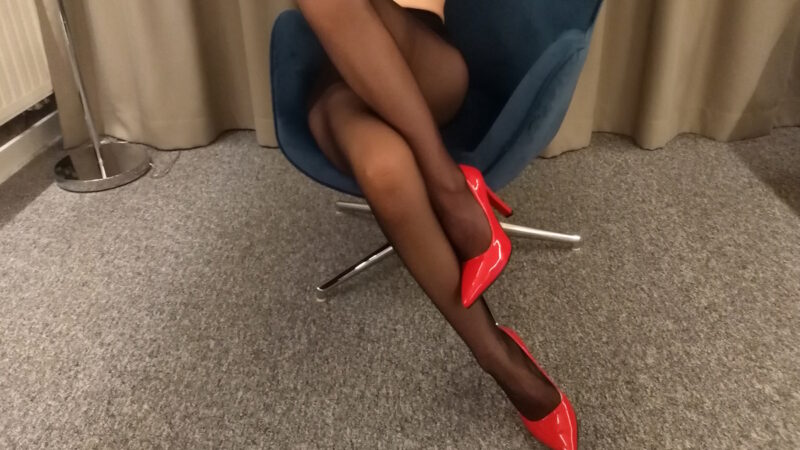
High heel fetishism, technically known as altocalciphilia or sometimes linked to retifism, is a specific sexual interest where arousal is derived from high-heeled shoes. In this mechanism, the object (the shoe) acts not merely as an accessory, but as a central focus of desire, often symbolizing elevated status, femininity, or dominance. It is a fixation on the structure, material, and transformation of the silhouette rather than a simple preference for fashion.
Psychology: Why People Are Attracted
The attraction to high heels is multifaceted, combining neurological quirks with deep psychological symbolism regarding power and anatomy.
- Supernormal Stimulus: High heels exaggerate specific female secondary sexual characteristics. They force the arch of the foot into a high curve, contract the calf muscles, and alter the tilt of the pelvis, creating a hyper-feminine silhouette that acts as a powerful visual trigger.
Symbolism of Power: Psychologically, heels represent a vertical advantage and a restriction of movement. This duality signals status and performative dominance. The sound of the heel clicking on the floor serves as an auditory signal of authority, triggering a conditioned response of submission or attention in the listener.
In Practice: How It Manifests
The expression of this fetish varies significantly, ranging from distant observation to intense physical interaction.
- Visual and Auditory Fixation: The individual derives satisfaction from observing the gait, the arch of the foot, or the specific “click-clack” sound of heels walking on a hard surface.
- Tactile Interaction: Touching, stroking, or smelling the materials of the shoe (leather, latex, patent). This often focuses on the sensory experience of the object itself.
- Shoe Worship: A ritualistic practice where the individual kneels before the wearer, kissing the shoes or cleaning them, symbolizing total submission to the wearer’s status.
- Trampling: A more extreme variation where the heels are used to apply pressure or pain to the partner’s body, merging altocalciphilia with masochism.
Sexual Function: Using the heel for stimulation or, in some cases, drinking champagne or wine from the shoe, blending the fetish with status symbols.
Origins: Historical & Cultural Context
High heels did not originate as a tool of female seduction but as military equipment. In the 10th century, Persian cavalry wore heels to secure their feet in stirrups while shooting arrows. It was only later, in the 17th century, that heels were adopted by European aristocrats (both men and women) as a symbol of class—literally elevating them above the “filth” of the streets.
In the 18th century, the French writer Restif de la Bretonne extensively documented his obsession with women’s footwear, leading to the term “retifism.” Over time, the heel evolved from a signifier of masculine military power to a symbol of feminine allure and erotic restriction, cementing its place in modern pop culture and fetish dynamics.
Myths & Facts: Debunking Misconceptions
Is a high heel fetish the same as a foot fetish?
While they often overlap, they are distinct. A pure high heel fetishist focuses on the object—the shape, material, and structure of the shoe—rather than the biological foot itself. For some, the shoe is the primary source of arousal, regardless of who wears it.
Is this fetish only about submission?
While “worshipping” is common, the fetish can also be appreciative or aesthetic. Furthermore, the wearer of the heels often experiences a psychological boost in confidence and dominance, making it a two-way exchange of power dynamics.
Is it rare or abnormal?
It is one of the most common non-genital sexual interests globally. The omnipresence of high heels in media, fashion, and advertising makes it a widely recognized and socially integrated cultural code.
Safety & Consent
While generally safe, practicing this fetish requires adherence to specific boundaries and protocols to ensure a controlled experience.
- Hygiene Protocols: If the practice involves oral contact (licking or kissing soles), strict hygiene is required. Distinguish between “indoor shoes” (kept clean for play) and “street shoes” to avoid health risks.
- Physical Safety: Stilettos can be dangerous weapons. During practices like trampling, weight distribution must be carefully managed to avoid puncture wounds, bruising, or serious injury. The wearer must have good balance and control.
- Consent and Boundaries: Approaching strangers in public to comment on or touch their shoes is a violation of boundaries. All interactions must be negotiated beforehand. The power dynamic is valid only when both parties have agreed to the “psychological theater.”