What Is It?
Leather fetishism is a sexual or psychological attraction to leather garments and accessories. It is not merely a clothing preference, but a sensory mechanism that combines tactile, olfactory, and auditory stimuli—the smell, the creaking sound, and the feeling of a second skin. Symbolically, it functions as a tool for transformation, allowing the individual to project specific archetypes of authority, protection, or total objectification.
Psychology: Why People Are Attracted
The appeal of leather is multidimensional, rooting itself deeply in neurology and the human need for defined roles. It operates on the boundary between pain, pleasure, and status.
- Sensory Immersion: Leather provides a “super-stimulus.” The tightness provides deep pressure therapy (similar to a weighted blanket), while the unique scent triggers primal areas of the brain associated with arousal.
- The Second Skin Effect: Wearing leather creates a psychological barrier between the self and the world. For some, this armored shell represents invulnerability and dominance; for others, the restriction of movement induces a state of helpless submission.
- Cultural Conditioning: Decades of media have cemented leather as a signifier of the “bad boy,” the strict disciplinarian, or the rebel. The brain creates an association where the material itself becomes a trigger for adrenaline and dopamine.
- Objectification: For the submissive partner, being encased in leather can lead to a feeling of being an object or a tool. This dehumanization is often a key element of the psychological theater, allowing the wearer to let go of human responsibilities.
In Practice: How It Manifests
Leather fetishism covers a broad spectrum of activities, ranging from subtle fashion choices to total sensory enclosure.
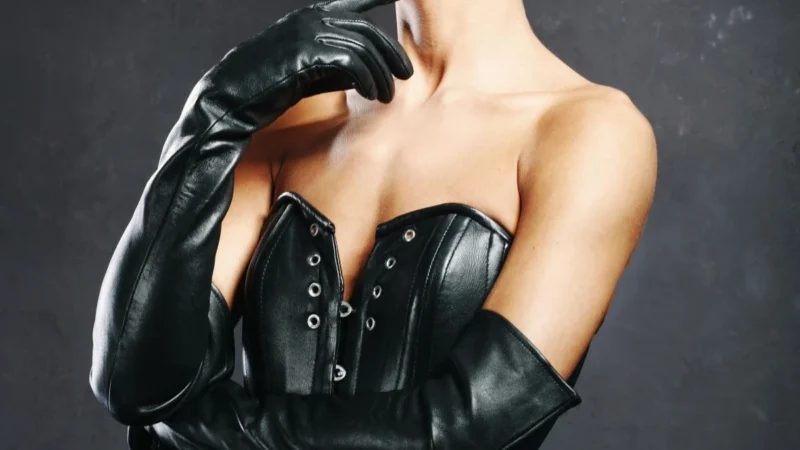
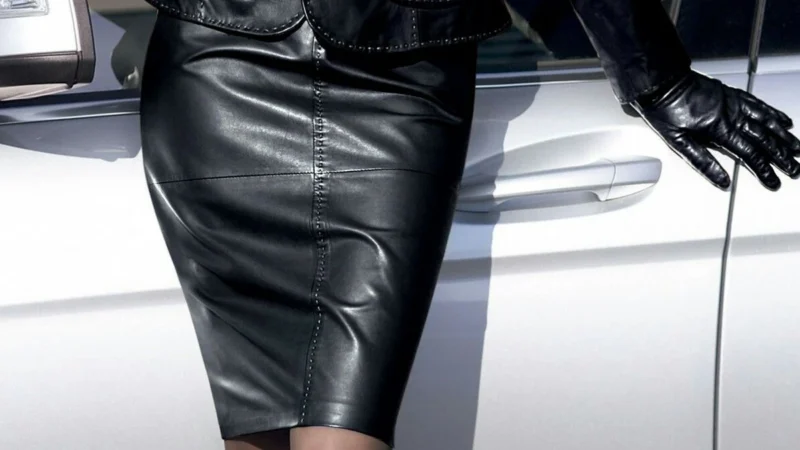
- Garments: Common items include jackets, trousers, corsets, and boots. These are often used to signal status within a specific community or dynamic.
- Total Enclosure: The use of catsuits, hoods, and gloves to cover every inch of skin. This creates a sensory deprivation tank effect, heightening internal focus.
- Auditory Play: The distinct “creak” of leather is often fetishized on its own. Movements are exaggerated to produce this sound, serving as an auditory cue for arousal.
- Gear Maintenance: The ritual of cleaning, polishing, and conditioning leather is often treated as a meditative or devotional act, separate from the sexual act itself.
Origins: Historical & Cultural Context
Leather has always been associated with survival, war, and protection. Its journey into the realm of fetishism is a study in the evolution of masculinity and rebellion.
Historically, leather armor protected soldiers, linking the material to martial power and stoicism. In the post-WWII era, the material was adopted by biker gangs in the United States, transforming it into a symbol of rebellion and anti-social aggression. Simultaneously, the gay leathermen subculture of the mid-20th century adopted leather to emphasize hyper-masculinity and toughness, distinguishing themselves from softer societal norms. Over time, this aesthetic crossed over into mainstream fashion and BDSM communities, becoming the universal uniform of the Dominant and the disciplined.
Myths & Facts: Debunking Misconceptions
Many believe leather is reserved solely for those in charge, such as Dominatrices or Masters. But leather acts as a binding agent. While it grants an aura of authority to a Dominant, it is equally popular among submissives who enjoy the restriction, tightness, and objectification that the material provides.
Does liking leather mean you are into pain?
There is a stereotype that leather enthusiasts are strictly sadomasochists. While there is an overlap, many people enjoy leather purely for the “look and feel.” It is often a tactile fetish rather than a pain-oriented one. The pleasure comes from the texture and smell, not necessarily from physical impact.
Is synthetic leather the same as real leather?
From a sensory perspective, they are different. Genuine leather breathes, warms to body temperature, and has a distinctive pheromonal scent that synthetic materials cannot perfectly replicate. However, synthetic options are valid for aesthetic purposes.
Safety & Consent
Engaging with leather, particularly in full-body scenarios, requires strict adherence to safety protocols to ensure the experience remains within the realm of pleasure.
- Temperature Control: Leather does not breathe well. Overheating (hyperthermia) is a real risk, especially during prolonged sessions. Regular breaks and hydration are mandatory.
- Restriction Awareness: Tight garments can restrict blood flow or breathing. It is crucial to check for numbness in the extremities and to ensure the chest can fully expand.
- Hygiene and Care: Leather is organic and can harbor bacteria if not cleaned properly. Shared gear must be sanitized to prevent skin infections.
- Communication: A clear signal or “safeword” is essential, especially if the wearer is hooded or gagged. The illusion of helplessness must never override the ability to communicate actual distress.