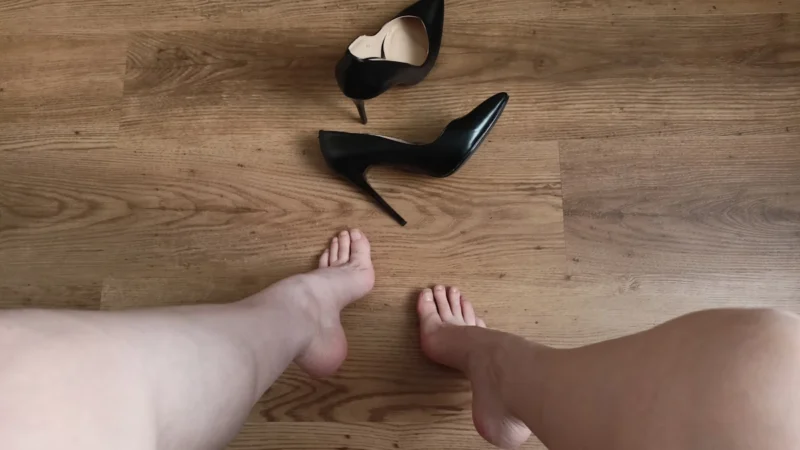
What Is It?
Trampling is a somatic and psychological fetish practice wherein one participant walks, stands, or jumps upon the body of another. At its core, it is the physical manifestation of the hierarchy between the dominant and the submissive, translating abstract power into literal weight and pressure. It is not merely a tactile experience; it is a ritual where the submissive partner accepts their role as a living foundation—essentially becoming the ground beneath the dominant’s feet.
Psychology: Why People Are Attracted
The appeal of trampling lies at the intersection of sensory processing and the symbolic surrender of the self. It satisfies a deep need for containment and absolute vulnerability.
-
Literal Objectification: The submissive is reduced to a piece of furniture or a rug. This psychological degradation relieves the individual of the burden of personhood and responsibility, offering a meditative state of “nothingness.”
-
Deep Pressure Stimulation: Much like a weighted blanket, the physical weight of a partner can trigger the release of dopamine and serotonin. This physiological reaction creates a sense of calm and grounding, paradoxically achieved through dominance.
-
The Worship Dynamic: For those with a foot or shoe fetish, trampling is the ultimate act of idolization. Being touched by the object of desire (the foot or the boot) in such an assertive manner validates their devotion.
-
Endorphin Rush: In variations involving high heels or concentrated pressure, the brain releases endorphins to manage the sharp sensations, leading to a natural, chemical high known as “subspace.”
In Practice: How It Manifests
Trampling operates on a spectrum, ranging from therapeutic massage to aggressive domination. The “equipment” determines the intensity of the experience.
-
Barefoot Trampling: Often referred to as ashiatsu in a non-sexual context, this involves the dominant using bare feet to walk on the submissive’s back or legs. It is softer, warmer, and focuses on distributing weight evenly.
-
Stocking and Sock Texture: The addition of fabrics introduces a specific texture. Nylon or cotton changes the sensory input, often catering to specific tactile preferences while maintaining a moderate pressure level.
-
Boot and Shoe Worship: The dominant wears footwear—ranging from flat sneakers to combat boots. This adds a layer of separation and symbolism, often associated with military or strict authority aesthetics.
-
Stiletto Trampling: The most extreme form, where weight is concentrated into the small surface area of a heel. This requires precision and high pain tolerance, often resulting in temporary marks or scratches, viewed by some as “trophies” of the session.
Origins: Historical & Cultural Context
The imagery of standing upon a defeated foe is as old as warfare itself. Historically, the victor standing on the neck or chest of the vanquished was the ultimate symbol of conquest and total authority.
In religious iconography, the Hindu goddess Kali is famously depicted dancing upon the chest of Shiva, symbolizing the triumph of time and change over static existence. In the context of modern fetishism, these archetypes are repurposed; the “defeat” is consensual, and the “conquest” is a theatrical display of the dominant’s superior status.
Myths & Facts: Debunking Misconceptions
Misunderstanding the mechanics of trampling often leads to unnecessary fear or reckless behavior.
Is trampling always about causing pain?
No. Many practitioners engage in “soft trampling” purely for the sensation of weight and pressure. While stiletto trampling is pain-oriented, barefoot trampling can be relaxing and therapeutic. The intent defines the experience, not just the action.
Does the dominant need to be lightweight?
Technique matters more than mass. A heavier individual who understands weight distribution and anatomy is safer than a light individual who steps carelessly on a vulnerable area. It is a matter of physics and control, not body shaming.
Is trampling dangerous for the ribcage?
It carries risks if performed without knowledge. The human ribcage has limits. However, with proper placement—avoiding floating ribs and the solar plexus—it is a manageable risk. It is a calculated activity, not a chaotic one.
Safety & Consent
Because trampling involves significant physical force, the margin for error is smaller than in other fetishes. Safety is an intellectual obligation.
-
Anatomical Awareness: One must never place full weight on the neck, spine, or the floating ribs (the bottommost ribs). The safest areas are the fleshy parts of the glutes, thighs, and the muscular areas of the back.
-
Weight Distribution: The dominant must maintain balance, often using a prop like a wall, a chair, or a suspension rope to control how much weight is applied. “Full weight” is a privilege granted only when safety is assured.
-
The Traffic Light System: A verbal safe word is often insufficient if the submissive is winded or under heavy pressure. Hand signals or holding a small object (dropping it indicates distress) are necessary fail-safes.
-
Hygiene and Inspection: Footwear must be impeccably clean. Soles should be inspected for glass, stones, or sharp debris before they make contact with skin. In this theater, infection is not a welcome guest.